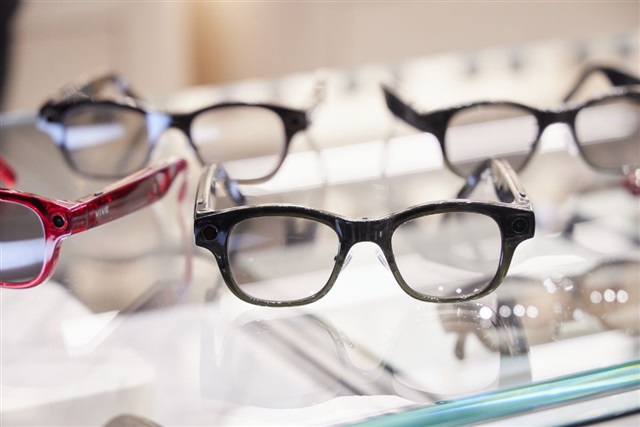
As generative AI (Gen AI) and sensing technologies mature, AI glasses are evolving from standalone wearables into a new generation of human-computer interaction interfaces. Featuring first-person perspective, scene recognition, and hands-free operation, these devices are seen as an ideal extension of smartphones with the potential to disrupt mainstream mobile hardware design.
Backed by major players including Meta Platforms, Samsung Electronics, Xiaomi, and HTC, AI glasses have emerged as the next critical interactive device in the mobile communications market after smartphones. According to statistics from the Market Intelligence & Consulting Institute (MIC), global shipments of AI glasses are expected to reach nearly five million units in 2025 and surge to around 35 million units by 2030.
Driving demand and value creation
HTC emphasizes that the value of AI glasses lies not only in hardware innovation but also in their ability to integrate voice, video, and first-person contextual information through an open architecture. This integration supports flexible applications across multiple AI models while ensuring data security compliance, offering developers, enterprises, and consumers an innovative, scalable, and secure new interaction experience.
Using enterprise applications as an example, HTC points out the strong development potential of AI glasses in frontline operations, remote collaboration, and workflow assistance. However, it stresses that related cybersecurity and privacy protections must comply with legal regulations when deploying AI glasses.
The company notes that rapid commercial adoption hinges on whether AI smart glasses meet compliance standards without security concerns and enable enterprises to manage multi-device deployment and updates effectively. These are key factors for AI glasses to gain traction in business markets.
Hardware and developer ecosystem focus
Beyond security controls, HTC identifies simplified API design as crucial for success, lowering barriers for developers to build features like bidirectional voice conversion, real-time video streaming, audio capture, and event feedback.
Additionally, enabling existing smartphone apps to extend seamlessly to AI glasses without reconstruction, along with providing digital eyewear simulators to accelerate development and improve validation efficiency, remain important priority.
Article edited by Jack Wu