
Notebook shipment update, July 2026
DIGITIMES' survey of July 2026 notebook shipments (excluding detachable models) from the world's top five notebook brands (excluding Apple) and the top three notebook ODMs
Please enter at least 2 characters.
DIGITIMES' survey of July 2026 notebook shipments (excluding detachable models) from the world's top five notebook brands (excluding Apple) and the top three notebook ODMs
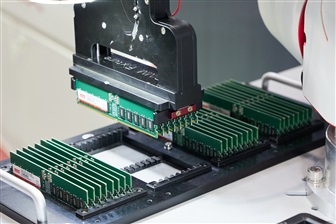
DIGITIMES identifies three main directions for memory development in cloud AI accelerators: processing near memory, 3D Stacked SRAM, and high-bandwidth flash.

According to DIGITIMES, smartphone memory contract prices surged by 50% to 80% in the first half of 2026, prompting most vendors to continue cutting shipments of mid- and low-end models and to raise product prices.
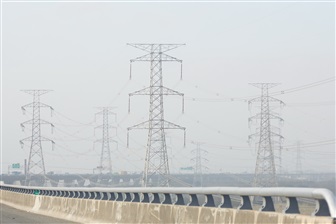
DIGITIMES believes that 2026 will be a pivotal year in the stabilization of 800VDC power architectures for AI data centers.
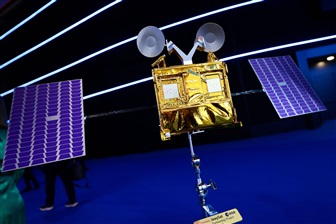
DIGITIMES has observed that since SpaceX began using reusable rockets for launch missions, its payload capacity has continued to rise.

DIGITIMES observes that the humanoid robot market is expanding rapidly, supported by global labor shortages and advances in artificial intelligence (AI), and Chinese automakers are also moving aggressively into this emerging field.

DIGITIMES has observed that Siri AI is built around four core layers - devices, models, reasoning, and applications - and is designed to transform Siri from a voice assistant into an AI agent capable of executing tasks.
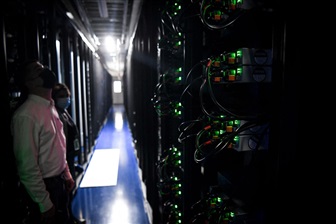
In the second quarter of 2026, global server shipments were below prior expectations, growing 3.8% quarter-over-quarter. The main reason was tight supply of key components such as memory, CPU, and IC substrate, which curbed overall system shipment momentum.
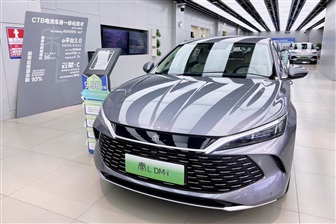
DIGITIMES notes that BYD Semiconductor's portfolio has expanded from the IGBTs and SiC power chips developed to meet early electric vehicle (EV) demand into high-computing-power smart-driving SoCs.
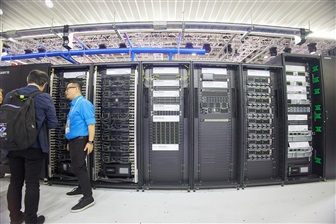
AI infrastructure enters multi-architecture fabric competition; Optical-copper interconnects and supply-chain coordination determine system performance