TGV still faces technical barriers; CoPoS commercialization not likely until 2030
The Semiconductor Report provides structured analysis of the global semiconductor industry, covering technology development, manufacturing, packaging, testing, and supply chain dynamics. The report examines key market trends across logic ICs, memory, advanced packaging, semiconductor equipment, and materials.
It tracks industry developments from chip design and foundry operations to emerging technologies such as AI accelerators, chiplet architectures, and advanced process nodes. The report serves as a practical reference for understanding the evolution of the semiconductor ecosystem and its impact on global technology markets.
Please enter at least 2 characters.

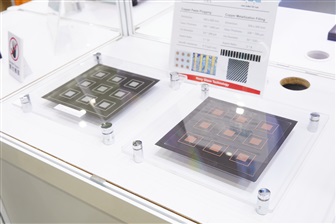
TGV still faces technical barriers; CoPoS commercialization not likely until 2030

Megawatt AI Racks: Infrastructure Evolution & Wide-Bandgap Power Semiconductor Opportunities by 2030

Competing Paths in Data Center Optics: XPO Could Beat CPO to Mass Production in 2027

Memory makers' revenues are estimated to hit another record high in the second quarter of 2026; The US, Japan, and South Korea launch new product competitions, while Taiwanese players continue to pursue niche market momentum.

Panel makers' FOPLP strategies vary, with Innolux being the most active. AUO utilizes RDL technology to develop emerging applications such as satellite antennas.

Taiwan and China's wafer foundry industry off-season was not slow, and the price hike effect will drive up cross-strait industry revenues in the second quarter of 2026 and full-year 2026.

Global smartphone AP shipments in the second quarter of 2026 are estimated to see a yearly decline of 15.2% as memory price hike pressure emerges.

Global wafer foundry revenue in 2026 is estimated to grow 23.5% year-over-year, expected to reach US$250 billion.

Major OSAT providers accelerate 2.5D/3D advanced packaging deployments in US, Japan, South Korea, and Malaysia with non-Taiwan capacity footprint to expand.

Taiwan foundry revenue growth expected to reach 30% 2026; strategic adjustments initiated for mature processes.

The memory industry is expected to continue with bright prospects in 2026, driven by robust demand for AI, with the top-3 makers to start with new competition.

Memory price increases force downward revision of smartphone shipments with first-quarter 2026 global smartphone AP shipments estimated to decrease by 8.7% year-on-year, and full-year 2026 volumes estimated to drop by 5.4% on year.

Rack-level delivery becomes a mainstream trend in cloud AI compute; MediaTek joins TPU design, influencing Taiwan's IC design status.

Global OSAT revenue is estimated to grow by 12.8% in 2026, and AI applications will contribute to advanced packaging business revenues.

AI applications and memory are two major growth drivers for the global semiconductor industry, with global semiconductor revenue expected to reach US$960 billion in 2026.

Outlook for the 2026 global data center ASIC competition: The changing strategic alliances between Arm, Qualcomm, and Nvidia will be the core key.

Driven by the dual engines of HBM and general-purpose memory, the memory industry revenue will challenge US$300 billion in 2026.

Qualcomm advances from edge to cloud AI ASIC, challenging the existing cloud computing power supply chain landscape.

Commercial operation of CPO is counting down, with the Taiwanese ecosystem actively responding to technical challenges and strengthening its first-mover advantage.

Global wafer foundry revenue is estimated to achieve a CAGR of 14.3% from 2025 to 2030, though the AI bubble and geopolitical risks need to be noted.

AI applications and preventive inventory stocking in the supply chain are providing support - Taiwan's foundry industry revenue is expected to reach US$130 billion in 2025, with over 10% growth projected for 2026.

With the Chinese smartphone market expected to recover in the first quarter of 2026, smartphone AP shipments are projected to rise 1.7% year-on-year in the fourth quarter of 2025.

Advanced packaging will drive AI chip performance upgrades, with new routes emerging in both materials and packaging architectures.

SK Hynix’s oligopolistic advantage in HBM had diminished in the third quarter of 2025, and memory competition will expand from HBM to next-generation products.

Taiwan wafer foundry revenue is estimated to rise mildly in the second half of 2025 from the first half, influenced by US tariff policies and a high revenue base in the first half.

Global OSAT revenue will increase by 5% year-over-year in 2025. Geopolitical factors have rapidly narrowed the market share gap between Chinese and Taiwanese companies.

High-end cloud AI accelerator shipments will exceed 10 million units in 2025, with Nvidia facing growing pressure as Huawei and AWS rise.

Smartphone AP shipments to Chinese brands are estimated to rise only 3.9% year-over-year in the third quarter of 2025 because of inventory adjustments.

Total CoWoS/CoWoS-like capacity is expected to reach 1.31 million units in 2026; TSMC's annual capacity growth will slow to 26%, while Amkor and SJ Semiconductor are emerging players.

Taiwan’s wafer foundry industry revenue is expected to rebound in the second quarter of 2025, with AI and HPC continuing to drive growth. However, tariff uncertainties may impact strategic deployment.

Smartphone AP shipments for Chinese brands are expected to rise 8.7% on year in the second quarter of 2025 as the brands are preparing inventory for the third quarter.

The semiconductor industry temporarily escapes Trump's reciprocal tariff impact, but systemic risks remain unavoidable.

AI is expected to drive a 16.6% increase in global foundry revenue in 2025; however, mature process nodes remain under pressure, and 2nm process yield will be key to mass production.

DeepSeek stormed the LLM market, but may bring in more demand for AI chips in the future.

The global top-3 memory makers are expected to see weakening operating performance in the first quarter of 2025, and will push more investments and transition to next-generation products to stimulate demand.

Global semiconductor revenues are expected to rise 13.6% on year in 2025, surpassing US$700 billion, but US policies may still impact the performance.

Taiwan wafer foundry industry is witnessing a slowdown in the first quarter of 2025, but will enjoy a recovery in the second quarter, but the mature process business will continue to face pressure from Trump policies and competition from Chinese peers.

Smartphone AP shipments to Chinese brands will rise slightly by 0.6% sequentially in the first quarter of 2025 as off-season is unlikely to have a major influence.

China's wafer foundry industry is estimated to see revenues pick up 7% on year in 2025, but development may be hindered by oversupply and geopolitical conflicts with the US.

Taiwan's wafer foundry industry is estimated to achieve revenues of US$120 billion in 2025 with demand from advanced manufacturing processes still strong and mature process prices to slip.

Geopolitical tensions prompt Japanese IDMs to gather capacities in Japan's Kyushu and Tohoku regions and prioritize their OSAT capacity expansions in ASEAN countries.

The smartphone market will be in a slow season in the first quarter of 2025, resulting in a 7.7% sequential shrinkage of AP shipments to Chinese smartphone brands in the fourth quarter of 2024.

The global wafer foundry industry will see a CAGR of 11.5% for its revenues in the six-year period from 2024-2029.

Global CoWoS and CoWoS-like packaging capacity demand will surge 113% on year in 2025 as AI accelerators remain popular and the need for wafers is growing exponentially.

Google TPUs will see a share of over 70% in the in-house developed cloud ASIC accelerator market in 2024; an all-optical network communication architecture will play a crucial role in achieving that.

HPC applications drive up Taiwan's wafer foundry revenues with the amount going as high as US$97 billion in 2024.

Global OSAT revenues are expected to rise 8% on year in 2024, driven by growing shipments of consumer electronics.

The global semiconductor industry continues pushing more deployment in Singapore and Malaysia, while their attention on India is also rising

Global AP shipments to Chinese smartphone brands are expected to rise by 9.3% sequentially in the third quarter of 2024, driven by the peak season and the vendors' inventory preparation for their flagship devices.

Taiwan's foundry industry suffered a minor sequential drop in overall revenues, better than DIGITIMES Research had originally anticipated thanks to short-term orders for electronics and HPCs.

Despite the sanctions from the US, the Chinese government and semiconductor firms continued to step up their effort in promoting independent development of China's semiconductor industry.

DIGITIMES Research has found that smartphone application processor (AP) shipments to China-based brands in the first quarter of 2024 bucked the seasonal trend with a sequential increase of 9%, driven by stronger-than-expected sales for the Chinese handset brand vendors.

Taiwan's wafer foundry industry will experience a sequential decline in first-quarter 2024 revenues before a rebound in the second quarter.

Global top-3 memory makers are expected to see rising revenues from the memory business in the first quarter of 2024 with HBM products to be the key growth drivers.

The global semiconductor market was in bad shape in 2023 with DIGITIMES Research having estimated the global semiconductor revenue at US$523 billion for 2023, an 8.9% decrease from a year ago.

In response to the continuous growth in AI demand, memory device makers SK Hynix, Samsung Electronics, and Micron Technology plan to mass-produce high bandwidth memory 3E (HBM3E) products in 2024

Application processor (AP) shipments for Chinese smartphones performed below expectation in the fourth quarter of 2023 as handset shipments already peaked in the previous quarter, and the volumes will go down further in the first quarter of 2024, but only by a small margin.

Taiwan's foundry industry thrives on advanced chip shipments and expects up to US$90 billion in revenues in 2024 despite a 1Q24 dip.

The US government released multiple new measures directed at China's semiconductor industry, including the expansion of the curbs on high-performance chip and advanced semiconductor manufacturing equipment (SME) exports in October 2023.

DIGITIMES Research projects that the global foundry revenue will grow at a CAGR of 11.3% from 2023 through 2028, driven by demand from 5G and EV applications.

Taiwan's wafer foundry industry is set to generate a total of only US$77.9 billion in revenue in 2023, falling 13% from a year ago, but will see the amount to rise in 2024.

According to DIGITIMES Research's surveys and analyses, second-quarter 2023 smartphone application processor (AP) shipments to China-based brand vendors amounted to 132 million units, growing 10% from the prior quarter but plunging 33.4% from the prior year.

The global foundry industry's combined revenues in 2023 are expected to shrink more than 10% on year after a growth of nearly 30% in 2022.

The Japanese government on May 23 announced to impose export restrictions on 23 items of semiconductor manufacturing equipment, effective July 23. Although the list includes various equipment, Japan is more likely to control the export of photolithography or thin film deposition equipment for advanced processes.

First-quarter 2023 smartphone application processor (AP) shipments to China-based smartphone brand vendors amounted to 120 million units, plunging 12.1% from the prior quarter and 32.6% from the prior year due to ongoing smartphone demand shrinkage on top of vendors' inventory adjustment and slow season.

The four leading foundries in Taiwan - Taiwan Semiconductor Manufacturing Company (TSMC), United Microelectronics (UMC), Powerchip Semiconductor Manufacturing (PSMC) and Vanguard International Semiconductor (VIS) - together generated a total of US$89.4 billion in revenues in 2022, soaring 31% from a year ago. However, they still experienced the first on-quarter revenue decline since the COVID-19 pandemic in fourth-quarter 2022.

China-based semiconductor manufacturers, in the wake of geopolitical risks, are expected to keep up with their capacity expansion strategies going into 2023 with a good number of projects already in construction.

Application processor (AP) shipments to China-based smartphone vendors amounted to 137 million units in the fourth quarter of 2022, down 24% sequentially and 20.3% on year, and will experience another double-digit decline in the first quarter of 2023.

Logic IC manufacturing process technologies have been making rapid advances with lithography technologies and machines, transistor architecture and power delivery network (PDN) design all playing vital roles in driving the advance.

US government's Export Administration Regulations (EAR) are expected to set back China's progress in AI and supercomputer research and weaken its technological and military strength which otherwise could be empowered by its semiconductor advances.

Global foundry revenue is set to reach US$137.2 billion in 2022, soaring 25.8%, and the brilliant performance is a result of price hikes, customer long-term agreements (LTA) and capacity expansions.

Shipments of application processors (APs) used in smartphones released by China-based brands went up 10.2% sequentially, but down 19.4% on year to reach 199.5 million units in the third quarter of 2022.

Soaring silicon carbide (SiC) demand from electric vehicles (EV) is leading to a tight supply of 6-inch SiC wafers, of which the cost will unlikely go down.

The four leading Taiwan-based foundries - TSMC, UMC, PSMC and VIS - together are on course to generate revenues exceeding US$90 billion in 2022, soaring 31.8% from a year ago.

According to Digitimes Research's surveys and analyses, second-quarter 2022 smartphone application processor (AP) shipments to China-based vendors amounted to 181 million units, increasing 1.7% from the prior quarter but decreasing 17.1% from the prior year mainly due to China's weakening economy as well as the ongoing Russia-Ukraine war and rising inflation continuingly taking a toll on consumer spending.

The global wafer foundry industry embraced brisk market demand and raked in a total of exceeding US$100 billion in 2021 revenues, representing an on-year growth of 26%.

DIGITIMES Research believes Intel investing in advanced process technologies and restarting the foundry services business are strategies that are able to complement each other.

According to Digitimes Research's surveys and analyses, first-quarter 2022 smartphone application processor (AP) shipments to China-based vendors amounted to 178 million units, increasing 4% from the prior quarter but decreasing 16% from the prior year as Xiaomi, Oppo and Transsion ramped up inventory with their efforts to expand into Eastern Europe, Southeast Asia and Latin America generating results.

The top-4 Taiwan-based foundries - TSMC, UMC, PSMC and VIS - together generated an aggregated total revenue of US$19 billion in fourth-quarter 2021, up 6% from a quarter ago, taking their combined whole-year 2021 revenue to top US$68 billion, up 26% from a year ago.

Hybrid bonding and other new advanced assembly techniques widely used for smartphone application processors (AP) and high-performance computing (HPC) chips will continue to expand advanced packaging technologies.

Most China's IC manufacturers will expand their capacity in 2022 and continue to gear up production to the fullest extent.

Silicon (Si) semiconductor with widespread use is close to reaching the physical limits of Moore's Law and is thus being replaced by wide bandgap semiconductors of third-generation semiconductors in a growing number of applications.

Fourth-quarter 2021 smartphone AP shipments to China-based vendors amounted to 171.2 million units, plunging 30.8% from the prior quarter mainly as China-based vendors faced the situation where some components were in worse shortage than the others, on top of weak 5G phone demand and a mismatch between AP supply and demand.

Digitimes Research believes 2021 were a fruitful year for the global foundry industry thanks to strong order momentum and is optimistic about its outlook going into 2022.

Third-quarter 2021 smartphone application processor (AP) shipments to China-based vendors amounted to 258 million units.

Unisoc has become an alternative source of smartphone AP supply for Chinese smartphone brands.

Thanks to ongoing strong chip demand, the top-3 Taiwan-based foundries - TSMC, UMC and VIS - performed outstandingly in second-quarter 2021 and will see revenue climb further in the third quarter.

Second-quarter 2021 smartphone application processor (AP) shipments to China-based vendors amounted to 218 million units, up 3% quarter-over-quarter.

TSMC is currently in the lead in terms of process technology but Samsung Electronics has been gearing up on its related R&D, eyeing to catch up.

As the supply chain aggressively ramped up chip inventory in second-half 2020, IC assembly and test capacity utilization showed a major increase.

While there may be different views on the validity of Moore's Law, TSMC is confident that it can uphold Moore's Law as it makes smooth progress in advanced process technologies.

China's top-3 wafer foundries enjoyed an over 20% on-year growth in their combined revenues in 2020 and the amount is expected to increase further in 2021.

First-quarter 2021 smartphone AP shipments to China-based vendors amounted to 212 million units, maintaining a similar level to the prior quarter and soaring 56.9% from a year ago.

Taiwan's top-3 wafer foundries saw their combined revenues rise 2.2% from a quarter ago to reach a new high in the first quarter of 2021.

China's IC design industry enjoyed a 24% year-over-year growth in output value in 2020, reaching a record-breaking scale once again.

Fourth-quarter 2020 smartphone AP shipments to China-based vendors amounted to 211.6 million units, up 9.9% quarter-over-quarter and 7.7% year-over-year.

The top-3 foundries in Taiwan - Taiwan Semiconductor Manufacturing Company (TSMC), United Microelectronics Corporation (UMC) and Vanguard International Semiconductor Corporation (VIS), together generated a total of US$14.58 billion in revenues in fourth-quarter 2020.

China government has always attached great importance to advances of the semiconductor sector, but semiconductors' vital role to industrial and national development is clear amid the country's trade war with the US. This Digitimes Research Special Report reviews the results of China's efforts to build its semiconductor ecosystem during the 13th 5-year Plan (2015-2020), and looks at the plans set out in its 14th 5-year Plan (2021-2025) to raise China's IC self-sufficiency.

Smartphone application processor shipments to China-based vendors amounted to 192.6 million units in third-quarter 2020, up 13.4% quarter-over-quarter and down 9.5% year-over-year.

Second-quarter 2020 smartphone AP shipments to China-based vendors amounted to 169.9 million units, down 20.6% year-over-year but up 25.8% quarter-over-quarter.

Smartphone application processor (AP) shipments to China only amounted to 135 million units in first-quarter 2020, plunging more than 30% on quarter and 12.2% on year.

The coronavirus outbreak has resulted in labor shortages and shipment disruptions in China's supply chain, but Digitimes Research believes if the epidemic gets under control, China-based top-4 smartphone brands' shipments are expected to drop 19.5% on year in the first quarter of 2020, while smartphone AP shipments to China will fall 11.4% on year during the period.

Smartphone AP shipments to China-based vendors came to 197 million units, down 5.9% on year and 7.7% on quarter.

Third-quarter-2019 smartphone AP shipments to China-based vendors came to 210 million units, down 1.8% on quarter and 9.4% on year.

According to Digitimes Research's observation, with global market demand on a moderate increase in second-quarter 2019, Taiwan-based semiconductor foundries showed recovery. Taiwan Semiconductor Manufacturing Company (TSMC), United Microelectronics Corporation (UMC) and Vanguard International Semiconductor Corporation (VIS) together generated total revenues of US$9.13 billion in the second quarter, up 8.9% on quarter but down 2.5% on year.

Second-quarter 2019 smartphone application processor (AP) shipments to China showed 39.1% sequential growth, higher than previously expected, buoyed by early inventory ramp-up in anticipation of rising US-China trade tensions.

Smartphone AP shipments to China slid 29.3% sequentially in first-quarter 2019 under the influence of system integrators' inventory adjustment and fewer working days.

Amid bleak outlook for downstream vendors, uncertainties surrounding the US-China trade tension, factory relocation and exchange rate volatility, global smartphone application processor (AP) shipments may experience further decline in 2019, down two years in row, according to Digitimes Research estimates. Qualcomm and Hisilicon will still be able to show moderate growth in their market shares.

Smartphone application processor (AP) shipments to China in fourth-quarter 2018 declined 10% quarter over quarter with system manufacturers adjusting shipment targets downward.

Having posted a sequential gain of 13.9% in the third quarter of 2018, shipments of smartphone-use application processors in China are expected to decrease 4.6% in the fourth quarter as smartphone vendors have become more conservative on pulling in orders due to lower visibility in demand in the end market, according to Digitimes Research.

This DIGITIMES Special Report provides insights into various aspects of the smartphone AP market, including suppliers' shipments, market shares, manufacturing processes, and the incorporating of AI in the processors.

With smartphone vendors putting in aggressive efforts toward second-half sales in an attempt to reach their whole-year objectives, smartphone AP shipments will likely benefit from high season effects in the third quarter.

According to surveys Digitimes Research conducted in China in March 2018, shipments of smartphone application processors (AP) in China will show a rebound in the second quarter of 2018.

Digitimes Research estimates total shipments of smartphone application processors (AP) worldwide will grow 1.5% on year to 1.67 billion units in 2018. The slowing growth in the smartphone market means global smartphone AP shipments will only grow at a mild pace in the next few years, reaching 1.77 billion units in 2021. The report shows that Qualcomm will continue reigning at No. 1 in terms of vendor rankings in 2018, followed by MediaTek. But in-house-developed chips by Apple, Samsung, and Huawei (Hisilicon) will see their share of shipments grow to almost 30% in 2018.

Based on surveys Digitimes Research conducted in China in December 2017, shipments of smartphone application processors (AP) to the China market in 2017 were able to maintain positive growth. However, shipments in the first quarter of 2018 are expected to decline 18.2% from the level seen in the fourth quarter of 2017.

Vendors moved up smartphone AP shipments ahead of China's National Day Golden Week holiday, buoying third-quarter 2017 shipments to come to 172 million units, up 24.3% on quarter, outperforming market expectation.

China's AP shipments in second-quarter 2017 showed a sequential increase of only 4%, reaching 133.4 million units. On a yearly basis, the figure represents a decrease of 8.3% compared to that of second-quarter 2016.

In terms of the shipments of smartphone application processors (AP) in China, downstream vendors started early inventory preparation in the fourth quarter of 2016 resulting in higher supply chain inventory levels. AP orders dropped significantly after the Chinese New Year, with some handset brand makers even asking to defer AP shipments to a large extent.

Digitimes Research forecasts smartphone AP shipments to China in first-quarter 2017 will show an on-quarter drop of 15.9%.

Digitimes Research expects global application processor (AP) shipments to increase more than 8% in 2017 and surpass the 1.9 billion mark, with smartphones remaining the main application. After slumping in 2015, Qualcomm returned to form in 2016 and will continue leading the market in 2017, as other players continue playing catch up and scramble for funds to invest in more diverse applications such as IoT and other smart end-device applications.

Digitimes Research estimates shipments of AP for smartphones and tablet PC in China in the fourth quarter of 2016 will show a growth of 11.6% on quarter.

Shipment of mobile application processors for smartphones and tablets in the China market are expected to grow 18.6% in the second half of 2016.

First-quarter 2016 smartphone AP shipments in China were slow with a sequential decrease of 16.9%.

China's smartphone AP shipments grew 16.1% sequentially in the fourth quarter of 2015 mainly thanks to demand for inventory preparation from some vendors and year-end holidays.

This Digitimes Research Special Report explains the dynamics of the global AP market by analyzing key trends in the market including the shift to 4G, the market strategy of the key AP vendors and GPU providers and the role various applications have in influencing demand. Overall, Digitimes Research forecasts that the global application processor market will grow 8.5% in 2016 to reach 1.78 billion shipments.

According to Digitimes Research, after the low season in first-half 2015, demand for smartphones is expected to grow due to the upcoming shopping seasons in China, Europe and the US in second-half 2015. Due to this factor, many firms began preparing to stock up inventory. In third-quarter 2015, China's smartphone AP demand increased significantly with shipments showing growth of 14.9%.

China has been solidifying its semiconductor industry policy objectives through the release of the "National IC Industry Development Guidelines" in June 2014 and "Made in China 2025" in June 2015, with one key financial support program being the National IC Industry Investment Fund (Big Fund), which will be used to help finance production capacity in advanced process technologies. This report analyzes how the Big Fund can affect the China and global semiconductor industry moving forward.

China's smartphone AP shipments recovered in the second quarter of 2015, registering significant on-year growth after vendors had managed to digest their inventories in the previous quarter.

Smartphone AP shipments in China grew by 14% on year in the first quarter of 2015 but showed an on-quarter decrease of 19.5%.

Smartphone AP shipments to China grew 38% on year and 10.1% on quarter in the fourth quarter of 2014, as the expanding coverage of LTE services helped drive shipments.

Digitimes Research estimates China smartphone application processor (AP) shipments will see a 33.8% yearly growth in the fourth quarter of 2014, up 8.7 percentage points from previous quarter. Quarterly growth however will be 9.5%, down 2.2 percentage points from previous quarter.

The LTE market does not perform as expected in the China market while the TD-SCDMA market declines. Smartphone APs experience quarterly growth of 13.2% in China In the second quarter of 2014, with MediaTek's 3G products achieving nearly a 50% market share. In the second half of 2014, the LTE standard will rapidly replace 3G, 64-bit products will enter the mainstream market but overall shipment growth will be limited.

Facing a funding shortage for local IC manufacturers, the China State Council in June 2014 published guidelines to strengthen government support for China's semiconductor industry, while stating the short-, mid-, and long-term goals for the related industry supply chains through 2030. This Digitimes Special Report examines how the revised Central Government guidelines and various local government policy implementations will affect China's the semiconductor manufacturing, IC design, packaging & testing and materials industry.

In the first quarter of 2014, shipments by global smartphone application processor (AP) vendors to China experienced only 10.8% annual growth, with a quarter-to-quarter decline of 4.2%.

Global smartphone AP suppliers will see their shipments to China grow only 13.5% on year and drop 3.1% on quarter in the first quarter of 2014. The largest supplier MediaTek is seeing its shipments weakening and its LTE products so far still have not yet been able to help cover its existing product lines.

China foundry industry's output value, makes use of cost structure analysis for IC design firms in the Greater China region, calculates foundry revenues from the China market and of the value created by foundry companies in the Greater China region' for the China semiconductor industry, as well as the foundry companies in the Greater China regions' share of the China foundry market.

During the 12th FYP period, only semiconductor companies established from 2011 are eligible for tax incentives. Moreover, only profitable firms working in areas consistent with government goals will be offered subsidies, with a quota of 40 firms also imposed. These requirements and assessments may encourage IC design startups, while also focusing R&D resources on product and technology sectors the government views as promising. The ultimate impact will probably be to weed out poorly performing firms and expedite the consolidation of the industry.

During the 12th FYP period from 2011-2015, China's semiconductor industry policy will shift away from the pursuit of capacity and output value growth toward a focus on improving R&D capabilities and firms' global competitiveness. A policy of direct government investment will also be replaced by an emphasis on market mechanisms. This DIGITIMES Research Special Report provides comprehensive analyses of the government policies and industry dynamics that will shape China's related semiconductor industries over the next five years.

This DIGITIMES Research Special Report examines the position of Taiwan and China in the global IC market and explains how past developments, current industry trends, and the strengths and weaknesses of the respective sub-industries (in terms of technological expertise for developing applications) will affect the overall future of the Greater China IC market.