
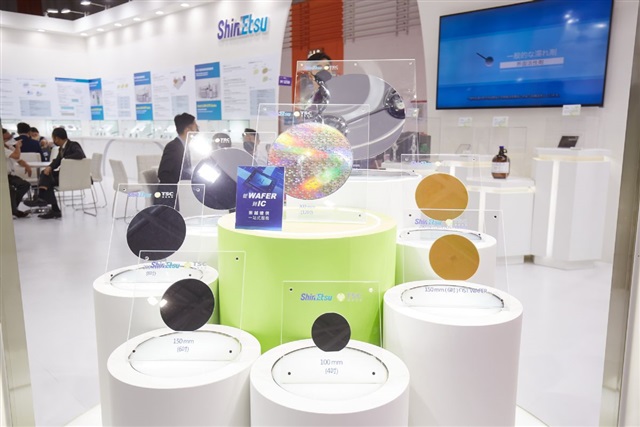
Global energy and petrochemical supply chains are facing disruption from the Middle East conflict, driving up costs from crude oil to downstream industrial materials. These shifts threaten manufacturers and consumers worldwide as companies like Shin-Etsu Chemical and distributors such as Topco Scientific (TSC) adjust prices and supply to manage rising raw-material costs.
The conflict has pushed crude oil and naphtha prices higher, increasing the cost of petroleum-derived raw materials and triggering downstream price adjustments. On April 17, Shin-Etsu Chemical announced it would raise prices on all silicone products by at least 10% in both domestic and global markets, with the change taking effect on shipments starting May 1. The company's broader product slate includes polyvinyl chloride, electronic materials such as photoresists for semiconductor fabrication, and silicone products used across industries.
Following Shin-Etsu's move, semiconductor material distributor Topco Scientific confirmed it will align costs and pricing across related product lines, including thermal interface materials and fluorine rubber. Topco said volatility in petrochemical raw materials has driven steep increases in production costs for organic solvents and chemical inputs. That persistently high international freight charges have compounded the pressure. The distributor is negotiating timing and pricing adjustments with both suppliers and customers to mitigate the impact on clients.
Topco chairman Jeffrey Pan has said material production and delivery schedules remain normal through the second quarter of 2026 despite upstream pressures. The company plans to build safety stock in coordination with customer demand to help ensure a stable supply while the conflict persists.
Market participants reported that, after hostilities between the US and Iran began, upstream petrochemical supplies tightened, prompting cuts in ethylene-based product output and a roughly 20% increase in domestic Japanese PVC prices. Industry observers note the central role of basic chemicals: light oil is thermally cracked to produce ethylene, propylene, and butadiene, which are processed into intermediates such as polyethylene used across packaging, automotive, appliance, and semiconductor supply chains.
Article translated by Jingyue Hsiao and edited by Jack Wu