Industrial gas manufacturer Nippon Sanso Holdings announced it will raise prices for all helium products in the Japanese market starting in July 2026, with an average price increase of more than 30%. Affected products include helium used in key applications such as semiconductor front-end process wafer cooling and medical magnetic resonance imaging (MRI) equipment. The move is mainly driven by geopolitical instability in the Middle East.
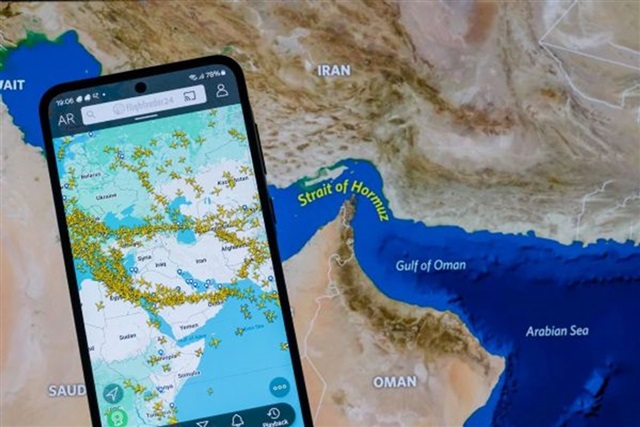
Taiwan's CPC Corporation said Qatari liquefied natural gas shipments could begin arriving in Taiwan from early September 2026, as the US and Iran move toward an agreement to reopen the Strait of Hormuz, though key details of the arrangement remain unclear.
As the Iran war and the geopolitical uncertainty it has triggered continue to intensify, global technology supply chains are coming under heavier-than-expected pressure. In addition to surging metal raw material prices, shortages of high-specification ISO containers used to transport helium, as well as specialty industrial solvents, are driving up production costs and threatening the stability of semiconductor manufacturing capacity.
Middle Eastern Gulf states are seeking alternative air defense systems as delays in US weapons deliveries and rising regional tensions strain existing stockpiles, according to The Wall Street Journal. Saudi Arabia, Qatar, and the United Arab Emirates (UAE) are expanding procurement beyond traditional US suppliers, turning to South Korea, Ukraine, and the UK to secure faster access to missile defense capabilities.
Industry sources report that the recent supply concerns over semiconductor-grade helium triggered by the US-Iran conflict have eased, as Samsung Electronics and SK Hynix secured long-term contracts ensuring stable access to the critical gas.
Semiconductor manufacturers are racing to secure critical materials as Middle East tensions disrupt supply chains, with the risk of production disruption outweighing rising costs.