
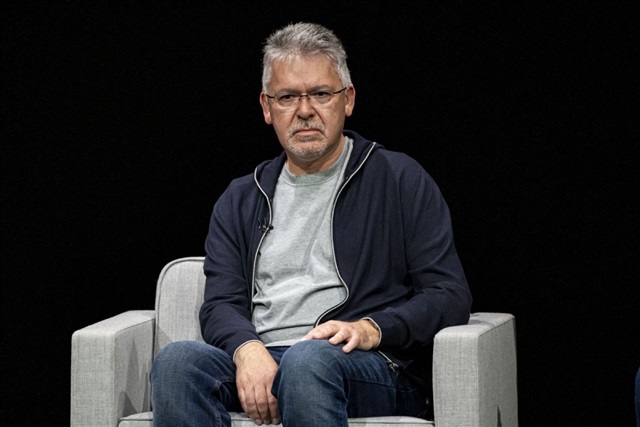
Apple announced that John Giannandrea, its senior vice president of Machine Learning and AI Strategy, will officially retire in spring 2026. He will serve as an advisor during the transition period.
According to reports from Bloomberg, Reuters, CNBC, and AppleInsider, Giannandrea joined Apple in 2018 after leaving Google and has overseen the company's critical AI initiatives. However, his tenure faced multiple challenges, including a slow start in generative AI, lukewarm reception of Apple Intelligence, and repeated delays in major overhauls of the Siri voice assistant.
As the AI race intensifies, Apple is widely seen as lagging behind key competitors such as OpenAI, Google, and Microsoft in large language models (LLMs), cloud infrastructure, and AI service speed. Internal frustrations with Giannandrea's execution pace reportedly accelerated this leadership change.
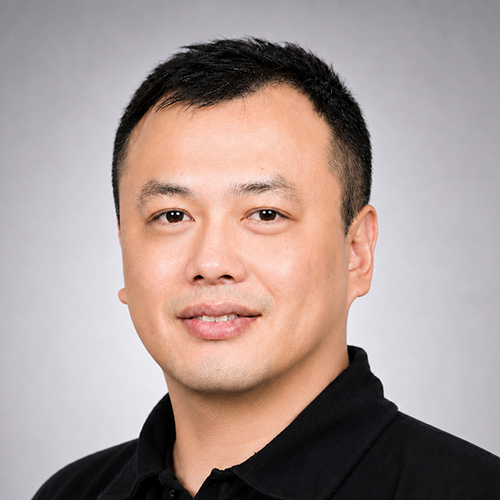
Apple has appointed Amar Subramanya, former Microsoft corporate vice president and Google researcher, as the new AI vice president reporting directly to software engineering senior vice president Craig Federighi. Subramanya spent 16 years at Google contributing to major AI projects like the Gemini model and Imagen 3 before briefly joining Microsoft's AI division.
Subramanya will reportedly lead Apple's AI foundational model development, machine learning research, and AI safety assessments, tasked with revitalizing Apple's AI capabilities.
CEO Tim Cook expressed gratitude for Giannandrea's contributions and welcomed Subramanya's expertise to advance more personalized and sophisticated Siri features. This move signals Apple's intent to accelerate product innovation and technological breakthroughs by bringing in seasoned industry leadership.
Recently, Apple has experienced talent attrition, with several core engineers departing for startups under OpenAI, potentially complicating Subramanya's efforts to recruit talent and maintain team morale. Analysts suggest the new leader must balance delivering quick results with building sustainable technical foundations to keep Apple competitive in AI going forward.
Article translated by Charlene Chen and edited by Jack Wu