


CONNECT WITH US

Middle East escalation disrupts AWS data center, Apple retail, and Robotaxi services

Chia-Han Lee, Levi Li, Taipei, DIGITIMES Asia 0

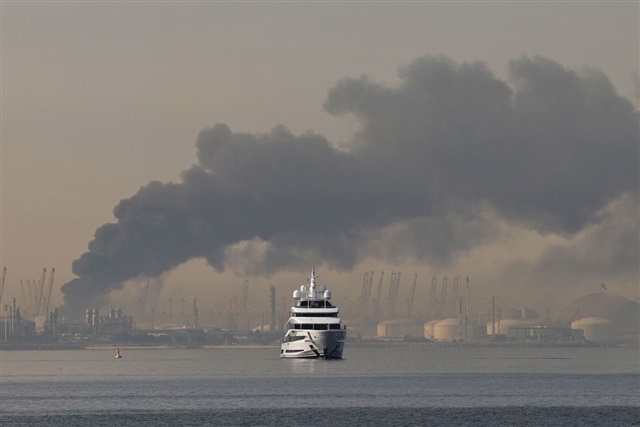
Smoke over Dubai’s Jebel Ali Port; conflict disrupts regional tech and retail. Credit: AFP

US and Israeli airstrikes on Iran triggered retaliatory missile attacks on US bases in Bahrain and Qatar, with spillover disruptions hitting cloud infrastructure, logistics hubs, and commercial operations across the Middle East.

Cloud infrastructure disruption

Reuters, The Register, Wccftech, and 9to5Mac reported that Amazon Web Services' (AWS) ME-Central-1 availability zone (mec1-az2) in the United Arab Emirates (UAE) was struck by an unidentified object on March 1, triggering a fire and localized power outages that disrupted cloud services.

AWS said the affected availability zone comprises multiple physically separate data centers that operate independently within the region. During firefighting efforts, power to the facility and backup generators were cut, causing partial outages. The company did not disclose the source of the object or confirm a direct link to the regional conflict.

Retail and product activity affected

Security risks have also affected retail operations. Apple temporarily closed five retail stores and corporate offices in the UAE in line with government directives and shifted to remote work to reduce public exposure. The affected outlets include its flagship store near Dubai Mall, with closures expected at least through March 3.

Sources indicated Apple had planned to launch several new products in the coming days. Further escalation could affect regional sales and brand events.

Logistics pressure intensifies

Regional logistics infrastructure has also been affected. Dubai's Jebel Ali Port suspended operations after a fire caused by drone debris, disrupting activity in the Strait of Hormuz, a critical global shipping corridor. The incident increased pressure on logistics networks and supply chains.

Analysts note that the Middle East is central to global energy flows and maritime trade, and hosts cloud nodes and regional headquarters for multinational technology firms. Rising military risk increases pressure to protect critical infrastructure, including data centers, subsea cables, ports, and retail locations.

Credit: AFP

Credit: AFP

Autonomous mobility operations adjust

The conflict is also affecting mobility platforms. Following the February 28 joint US-Israel military action against Iran, Chinese autonomous driving company WeRide said its robotaxi fleets in Abu Dhabi and Riyadh continue operating, while services in Dubai are suspended pending further notice.

Sina reported on March 2 that WeRide is among a small group of companies holding autonomous driving licenses in China, the UAE, Singapore, France, and the US. In 2023, it obtained a nationwide autonomous road testing and operations permit in the UAE.

Amid escalating Middle East conflict, WeRide suspends Dubai robotaxi services. Credit: AFP

Amid escalating Middle East conflict, WeRide suspends Dubai robotaxi services. Credit: AFP

Dubai has been a flagship Middle East market for WeRide. Starting in 2025, it partnered with Uber and Dubai's Roads and Transport Authority to launch commercial services in major tourist districts. The company had planned to transition to fully driverless operations in the first quarter of 2026.

Yicai reported that Meituan's international food delivery platform Keeta is monitoring the regional situation and will adjust operations in line with government guidance. It may partially suspend services if necessary to ensure safety.

Article edited by Jack Wu