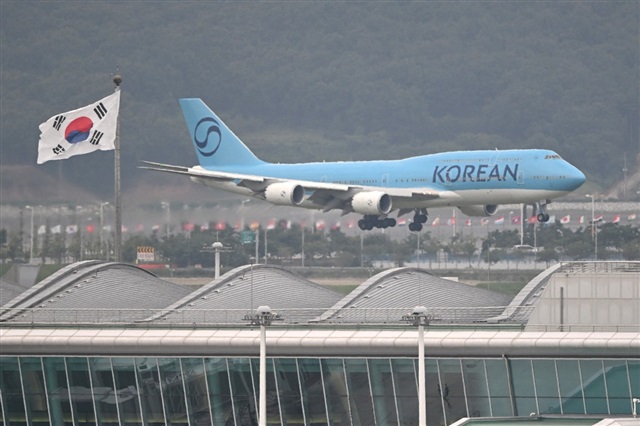
A diplomatic dispute over administrative nomenclature has escalated into a high-stakes standoff between Taiwan and South Korea, threatening to cast a shadow over one of the world's most critical semiconductor supply chains.
What began as an argument over digital dropdown menus reflects a deeper structural shift in how these two East Asian tech powers perceive their roles in the global AI era.
Credit: Digitimes
The catalyst: a dropdown menu dispute
The current tension centers on South Korea's electronic arrival card (e-Arrival Card) system. Since early 2025, the system's mandatory fields for "Place of Departure" and "Next Destination" have labeled Taiwan as "CHINA (TAIWAN)."
Despite persistent protests from the Taipei Representative Office in Seoul, the designation remained, prompting Taiwan's Ministry of Foreign Affairs (MOFA) to issue a formal call for an immediate correction in the name of "national dignity and reciprocity."
Taipei draws a line: the March 31 deadline
In a rare act of administrative retaliation, Taiwan announced that effective March 1, 2026, the nationality listed on Alien Resident Certificates (ARC) for South Korean nationals in Taiwan has been officially changed from "Korea" to "South Korea."
Foreign Minister Lin Chia-lung, speaking at the Legislative Yuan on March 19, 2026, confirmed that the government has set a firm deadline of March 31 for a positive response from Seoul.
"We are waiting for their reply, and we believe our actions will have an effect," Lin told reporters. He noted that while South Korea showed some flexibility by maintaining paper arrival forms alongside the digital system, a permanent fix is still required. Public sentiment in both countries largely recognizes Taiwan's distinct identity and economic role, and Taipei is urging Seoul to align its digital protocols with that practical consensus.
Seoul's response: consultations underway
The South Korean Ministry of Foreign Affairs has adopted a cautious stance. In a statement released late yesterday, a spokesperson said the ministry is "fully aware of and monitoring" Taiwan's position. It indicated it is consulting with relevant departments — including the Ministry of Justice and immigration authorities — to "comprehensively consider various aspects" of the issue.
The diplomatic-industrial bridge
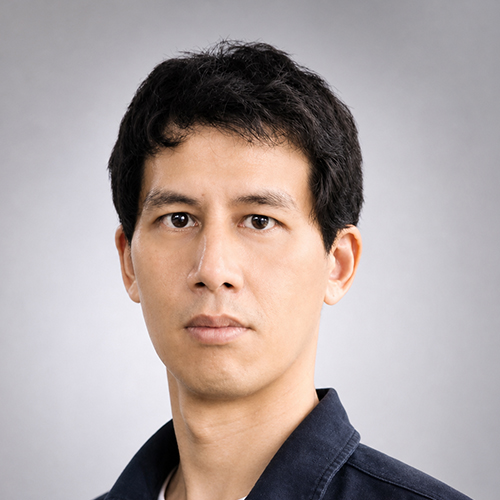
From an industrial perspective, the friction comes at an ironic moment. Colley Hwang, CEO and chairman of DIGITIMES, argues that the two nations have moved past their 40-year history of rivalry into a state of "lip-and-tooth" interdependence.
Hwang, who has frequently consulted with South Korean tech leaders and has several high-level speaking engagements in Seoul scheduled for this spring, emphasizes that South Korea's leaders understand Taiwan is an indispensable partner.
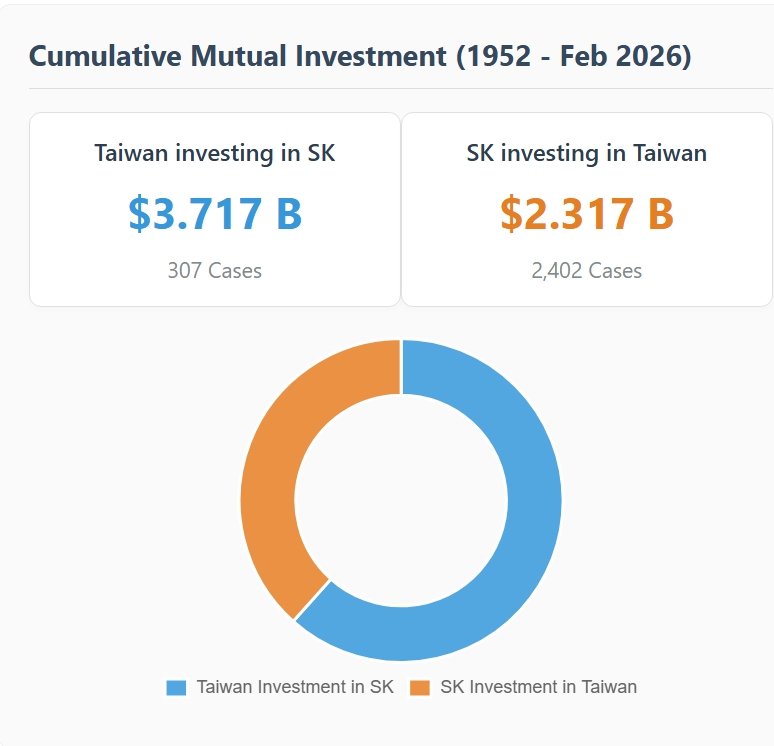
"South Korea recently ordered 260,000 GPUs to build massive data centers," Hwang noted. "Without Taiwan's foundry and logic chip ecosystem, that transition would take far more time and cost much more. At the same time, Taiwan cannot build an AI server without Korea's memory. Both sides should focus on mutual respect rather than administrative friction. No one can truly defeat the other in this ecosystem; the only path forward is to hold hands and do business."
Credit: Digitimes
The trade deficit: the HBM factor
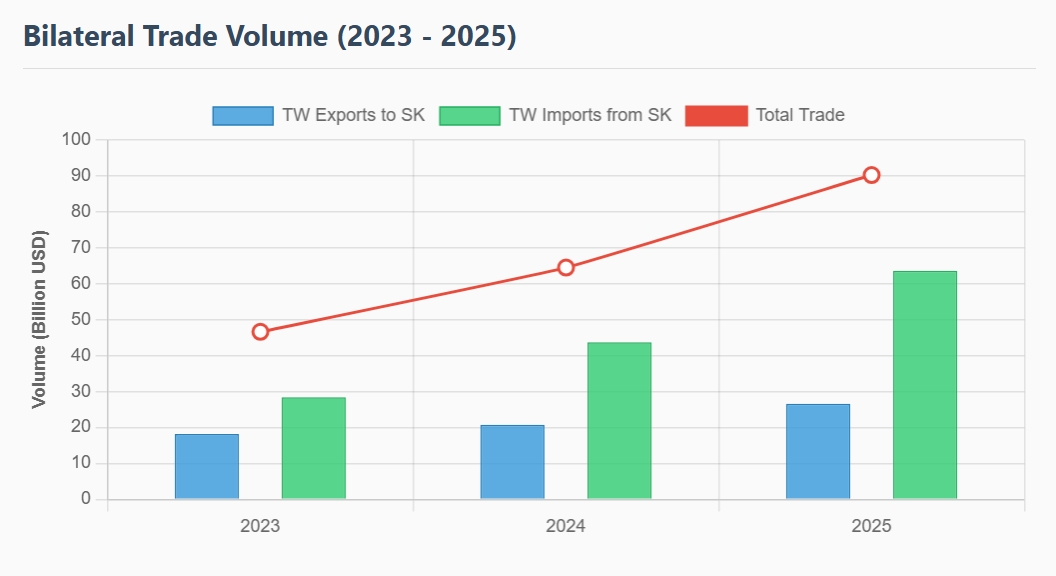
The underlying economic reality is defined by a massive trade imbalance. In 2024, South Korea officially surpassed Japan to become Taiwan's largest source of trade deficit.
According to International Trade Administration data, Taiwan's trade deficit with South Korea hit a record US$37 billion in 2025. This surge is driven almost entirely by the AI supercycle:
HBM Imports
Taiwan's AI server hubs (including Quanta and Foxconn) saw imports of High-Bandwidth Memory (HBM) from South Korea surge by over 80% year-on-year.
Structural Complementarity
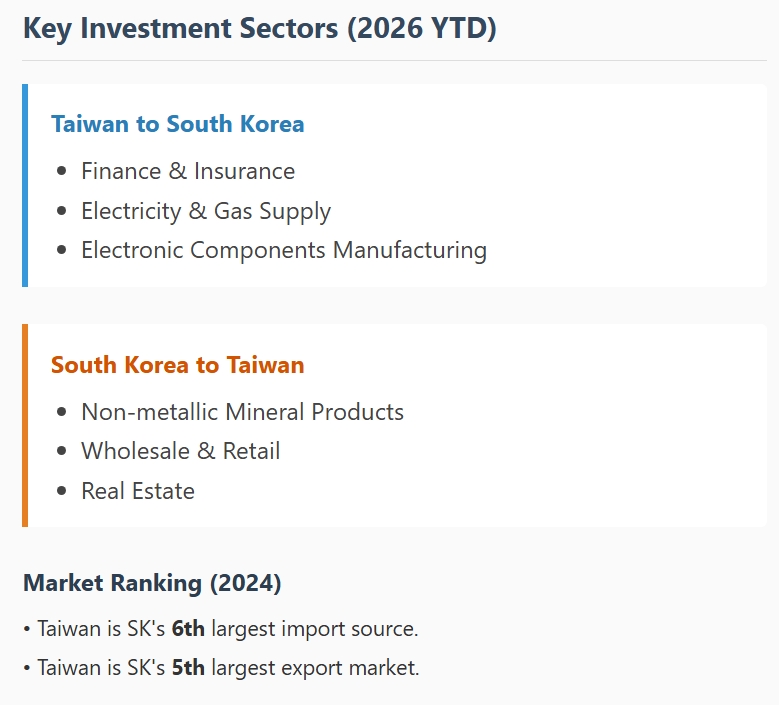
While the two nations compete in legacy sectors like steel and panels, they are now locked in a "Co-opetition" model where Taiwan assembles the logic and Korea provides the memory.
Credit: Digitimes
Diplomacy vs. the silicon shield
Whether this diplomatic spat will impact the tech trade remains to be seen. analysts at DIGITIMES suggest that while the "Silicon Shield" of interdependence makes a full-scale trade war unlikely, the administrative friction creates unnecessary risks in a fragile global economy.
As the March 31 deadline nears, the global tech industry remains watchful. The question is no longer just about a digital menu, but whether Seoul will align its administrative protocols with the reality of its most vital industrial partnership.
As Ambassador Hwang puts it, in an era where silicon dictates national security and economic growth, mutual respect is not merely a diplomatic courtesy — it is a strategic prerequisite for two nations whose futures are now inextricably linked.
Article edited by Jerry Chen