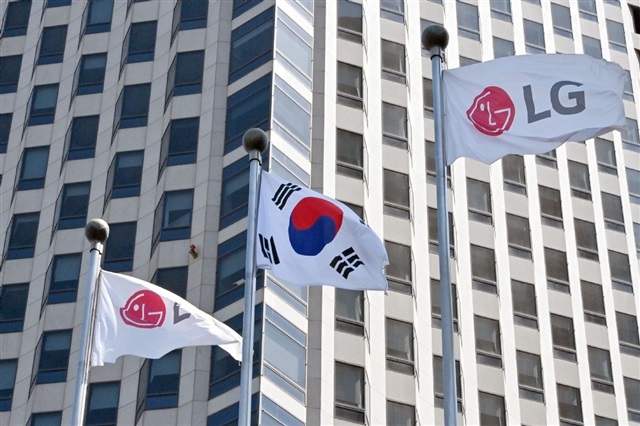
South Korea aims to be a leading AI powerhouse, yet a report from the Korea Industrial Technology Association (KOITA) shows that only 56% of its AI startups last over three years. These companies rely significantly on external funding, highlighting a fragile R&D base in the industry.
According to Digital Daily and Donga Science, KOITA's study categorized over 38,100 companies with affiliated research institutes or dedicated R&D departments into AI startups, general AI companies, non-AI startups, and non-AI general companies.
AI startups boast a first-year survival rate of 82.8%, but this plummets to 56.2% by the third year, trailing behind general AI companies at 72.7% and the industry average of 68.8%. These figures underscore the difficulties these startups encounter in establishing a market presence and securing growth in the early stages.
South Korean AI startups face financial vulnerabilities, heavily reliant on external funding. Government contributions make up 22.9% of their R&D budgets, significantly above the industry average of 5.7%, while corporate funding accounts for 3.6%, also exceeding the overall 0.6% average.
South Korea exhibits strong investment ambitions in AI, but its R&D scale is limited. Over the past three years, AI startups' average annual R&D spending increased by 15.4%, yet by 2023 it reached just KRW590 million (approx. US$400,620), which is about a third of the industry average.
AI startups have a high employee-to-researcher ratio of 35.8%, which surpasses the industry average of 13.7%, highlighting a focus on research but limited investment capacity.
Meanwhile, according to ET News, SAS, a data AI firm, has dubbed 2026 as the "judgment year" for the AI industry, predicting a decline in the current hype surrounding generative AI and a shift towards in-depth validation by businesses.
Article translated by Jingyue Hsiao and edited by Jack Wu