
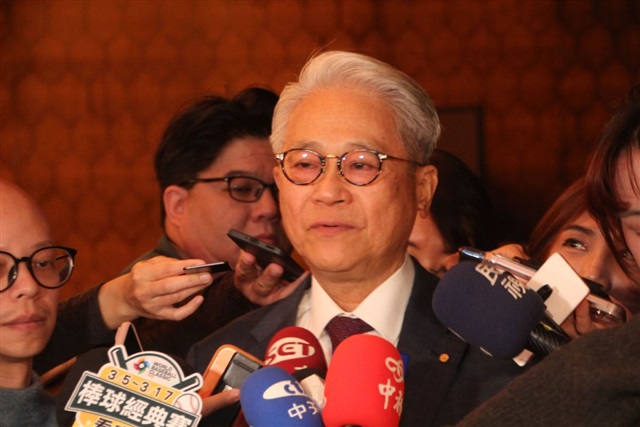
Escalating conflict in the Middle East and a newly launched Section 301 investigation by the US are together creating a combination of pressures for global industries, including rising tariffs, higher energy prices, and growing inflation risks. Thomas T.L. Wu, chairman of the Chinese National Association of Industry and Commerce (CNAIC), said that the conflict has exceeded market expectations and could push up oil prices, driving up domestic inflation and production costs for businesses.
According to Wu, the extent of the impact will depend largely on how long the conflict continues and whether the Strait of Hormuz experiences a prolonged blockade. As tensions between the US and Iran intensify, markets are increasingly concerned about the possibility of rising oil and electricity prices. Wu said the government has already introduced measures to absorb part of the cost to stabilize fuel and power prices. However, small and medium-sized enterprises (SMEs) are still facing heavy operational pressure, particularly traditional industries contending with rising shipping costs, higher insurance fees, and longer delivery times.
Industry participants at the meeting noted that conflicts typically first drive up shipping costs. If exports of oil and natural gas are disrupted, it could further drive up prices and intensify inflationary pressures, eventually affecting manufacturing activity and end-market demand. There are currently no clear signs that the conflict will ease in the near term.
On the broader outlook, Wu noted that if the conflict between the US and Iran drags on, it could weigh on global economic growth and market demand. Most companies are currently adopting a wait-and-see approach. While the short-term impact remains manageable, the situation could worsen if it leads to persistently high global interest rates and weaker demand.
Taiwan's overall economic fundamentals remain relatively strong. In recent years, demand for semiconductors has surged due to the rapid expansion of artificial intelligence (AI), and related industry demand is unlikely to disappear because of the conflict. However, traditional industries may feel the effects more acutely.
At the same time, the conflict is heightening concerns about rising inflation. Wu said markets had previously expected room for interest rate cuts in 2026, but growing inflationary pressure may delay the timing of rate reductions and limit the scale of any cuts.
Compounding this pressure, the US recently announced a new round of Section 301 investigations targeting about 60 economies, including Taiwan, China, Japan, South Korea, and the European Union (EU). Wu explained that the move came after a US federal court ruled that some tariffs imposed by President Donald Trump were unlawful, prompting Washington to reopen the investigation process.
Wu believes the new probe may not necessarily be unfavorable for Taiwan. In the previous round of negotiations, Taiwan secured a 15% tariff rate that is not cumulative, placing it on equal footing with major competitors such as Japan, South Korea, and the EU. Looking ahead, Wu said Taiwan hopes to build on that foundation to negotiate more favorable trade terms.
Article edited by Jerry Chen