CONNECT WITH US

Samsung, SK Hynix reportedly set for record profits as long-term contracts expand

Sherri Wang, DIGITIMES Asia, Taipei 0

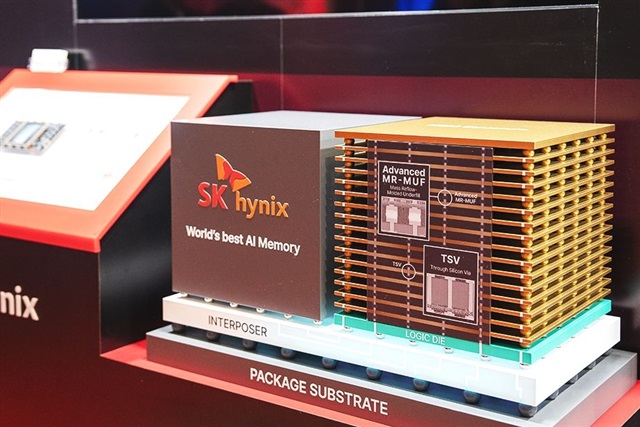
Credit: SK Hynix

Samsung Electronics and SK Hynix are expected to post record first-quarter profits as surging artificial intelligence demand drives memory prices higher, with suppliers pushing to expand multi-year supply agreements to stabilize earnings.

Analysts estimate the two companies' combined operating profit could approach KRW70 trillion (US$48 billion) in the first quarter, according to financial data provider FnGuide. The outlook comes as memory suppliers move to expand long-term contracts of three to five years, shifting away from traditional short-term pricing models.

Record earnings driven by DRAM strength

Samsung Electronics is projected to report an operating profit of about KRW36.5 trillion for the quarter, up more than 80% from the previous quarter's record level, with some estimates reaching as high as KRW43 trillion, according to brokerage forecasts cited by MoneyToday. More than 90% of earnings are expected to come from its semiconductor division.

SK Hynix is also expected to deliver record quarterly results, with operating profit estimated at KRW31.1 trillion, up more than 60% sequentially and more than fourfold year-on-year. Operating margins are projected to approach 82%.

The earnings surge is being driven by sharp increases in DRAM prices. Contract prices for DRAM are estimated to have nearly doubled from the previous quarter, supported by strong demand for high-bandwidth memory and other high-value products.

Legacy DRAM products such as DDR4 have also contributed to profitability, as production costs have largely been depreciated while prices have risen to levels comparable to newer DDR5 products. This has allowed revenue growth to translate directly into operating profit gains. NAND flash prices have also continued to rise, contributing to overall earnings improvement.

Long-term contracts gain traction

Memory suppliers are pushing to expand long-term supply agreements in a bid to reduce earnings volatility and secure stable demand.

SK Hynix CEO Kwak Noh-jung said at the company's annual general meeting on March 25 that discussions with customers are ongoing to ensure mid- to long-term supply stability, according to Edaily. He said the company has received requests to sign long-term supply agreements and is in talks on multiple options.

Micron Technology CEO Sanjay Mehrotra said on a recent earnings call that the company has signed its first five-year strategic customer agreement, which is expected to improve visibility and stability in its business model. Samsung Electronics vice chairman Jun Young-hyun also said the company is pushing to shift supply contracts from annual or quarterly terms to multi-year agreements spanning three to five years.

Memory contracts have typically been structured on an annual basis, reflecting volatile pricing. Strong demand tied to artificial intelligence has tightened supply, making it harder for customers — including major technology companies — to secure sufficient memory.

Prices surge as supply tightens

Memory prices have risen sharply amid the supply-demand imbalance. According to Counterpoint Research, server DRAM module prices (DDR5 64Gb RDIMM) increased 150% quarter-on-quarter in the first quarter, while general-purpose DRAM for laptops (DDR4 8Gb SO-DIMM) rose more than 180%. NAND flash prices climbed between 130% and 150% across product categories.

Industry sources indicate that long-term agreements increasingly include safeguards such as minimum purchase commitments, requiring customers to buy fixed volumes regardless of market conditions. Such structures help suppliers secure stable demand and reduce uncertainty.

Some contracts under discussion also involve large upfront payments tied to future supply, with penalties if agreed volumes are not delivered. Kim Dong-won, head of research at KB Securities, said major technology companies are offering long-term agreements that guarantee both pricing and volumes, along with substantial prepayments.

Stable cash flow supports investment

The shift toward long-term contracts is aimed at reducing exposure to demand fluctuations in end markets such as smartphones, PCs, and conventional servers, while supporting more stable cash flow.

Samsung Electronics said it plans to invest more than KRW110 trillion this year in research and development and facilities, marking a record level of spending following a recovery in memory prices after a downturn in 2023.

Industry officials said the expansion of long-term supply agreements is expected to continue as suppliers optimize production portfolios across both high-bandwidth memory and conventional DRAM products.

Article edited by Jerry Chen