

India is advancing its semiconductor ecosystem via design alliances and acquisitions, while recalibrating its China ties. IndieSemiC and Kaynes target local chip gaps despite uncertain demand, and Cyient's Kinetic deal boosts power IC capabilities. Meanwhile, security-driven supplier shifts and new export opportunities highlight India's evolving strategic and industrial positioning.
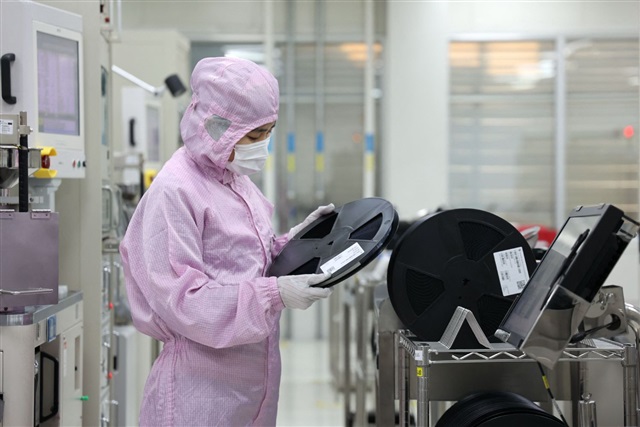
IndieSemiC eyes India's general-purpose chip gap with Kaynes OSAT deal
India-based fabless startup IndieSemiC is betting that its new OSAT partnership with Kaynes Semicon can help it move from RF modules into vertically integrated chip products. However, the company acknowledged that the headline volume tied to the collaboration is still based on expected customer adoption rather than firm orders.
Cyient Semiconductors closes US$85M majority stake in Kinetic Technologies, accelerating India-led power IC scale
India-based Cyient Semiconductors' US$85 million majority investment in Kinetic Technologies could expand end-to-end power semiconductor design and production capabilities from India, offering global customers broader access to custom silicon, ASSP products, and enhanced engineering and manufacturing resources, and accelerate deployment of advanced power management solutions across computing and industrial markets worldwide.
India's measured reset with China highlights trade dependence and strategic calculus
India is cautiously recalibrating its economic relationship with China, easing restrictions on trade and investment while balancing supply chain needs with strategic concerns, according to government documents and multiple media reports.
India reportedly bars Chinese CCTV cameras, turns to Taiwan and Western suppliers
India is moving to phase out Chinese-made internet-connected CCTV cameras and high-speed tollway cameras, citing national security risks, even as it cautiously opens other sectors to Chinese investment. The National Highways Authority of India (NHAI) has shortlisted American, German, and Taiwanese suppliers to replace existing equipment at around 1,150 toll collection sites.
Transcom Technology sees flat 2026 revenue after Taiwan budget delays, but India order may broaden international reach
Transcom Technology expects flat full-year revenue for 2026 amid stalled progress in Taiwan's defense budget, which is potentially delaying deliveries of Gong-3 and Gong-4 missile systems. A first mass-production order for a high-frequency SSPA module from an Indian client, however, could help the company expand its international revenue share to 30%.
Article edited by Jack Wu