TSMC posted a record profit of NT$572.48 billion (US$18.06 billion) in the first quarter of 2026, marking another high in overall performance. For the second quarter of 2026, TSMC guided revenue between US$39 billion and US$42 billion, up 8.6% to 17% sequentially, or NT$1.236 trillion to NT$1.331 trillion at NT$31.7 per US dollar. Gross margin is forecast at 65.5%–67.5%, with operating margin at 56.5%–58.5%.
TSMC CFO and SVP Wendell Huang said first-quarter performance was supported by operating leverage, with return on equity at 40.5%, underscoring capital efficiency.

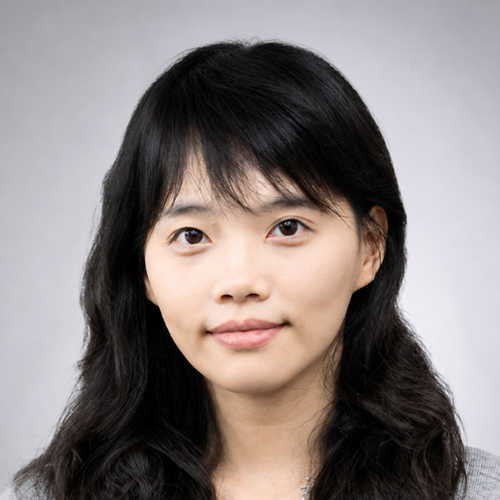
TSMC SVP & CFO Wendell Huang. Credit: DIGITIMES
Advanced nodes of 7nm and below accounted for 74% of wafer revenue, reflecting sustained AI and high-performance computing demand. HPC, including AI, remained the primary growth driver at 61% of revenue. Smartphone revenue fell 11% sequentially to 26%, while automotive declined 7% to 4% amid inventory adjustments.
Operationally, days payable held at 46, while inventory days rose to 80, reflecting stockpiling tied to 2nm expansion and strong 3nm demand.
Margins hold steady on utilisation
Gross margin rose to 66.2% in the first quarter of 2026, up from 62.3% in the prior quarter and above guidance, supported by cost control, higher utilisation, and favourable exchange rates.
Second-quarter 2026 gross margin is expected at 65.5%–67.5%, supported by utilisation and productivity, partly offset by overseas expansion costs.
Huang said initial 2nm mass production could dilute full-year gross margin by 2%–3%, while overseas expansion may reduce margins by 2%–3% initially, widening to 3%–4% over time.
Geopolitical risks on the radar
TSMC said Middle East geopolitical risks could raise chemical and gas costs, though the impact remains unclear. Exchange rate volatility also poses a risk.
The company will offset these pressures through manufacturing and capacity optimisation, including improving wafer output efficiency and balancing node utilisation.
The N3 process is expected to exceed corporate average margins in the second half of 2026, adding to profitability.
TSMC said its risk framework includes diversified sourcing, global supply arrangements, and safety stock for key gases such as helium and hydrogen, reducing the likelihood of supply disruptions.
On energy, TSMC is working with the government to secure stable power through diversified sourcing and backup systems, with no expected operational impact.
Capex stays high
TSMC will maintain a growth-driven capex strategy, guiding 2026 spending at US$52 billion–US$56 billion, with investment remaining elevated to support AI, 5G, and HPC demand.
Huang said TSMC will balance growth and shareholder returns during the high capex cycle, sustaining profitability while maintaining a steadily rising dividend policy.
Article translated by Levi Li and edited by Jerry Chen