CONNECT WITH US

Huawei poaches top scientist as Germany's tenure rules drive talent away

Joanna Gao, Taipei 0

Credit: AFP

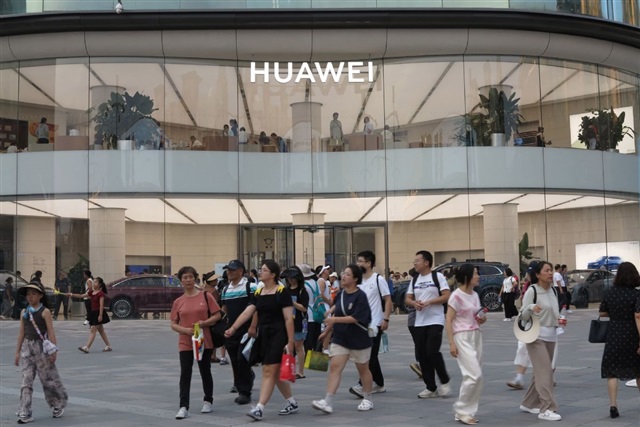
Huawei has recruited a leading scientist from a German research institute, raising concerns among the German government and academic circles. According to Nikkei Asia, Martin Schell, formerly director of Germany's Fraunhofer Heinrich Hertz Institute (HHI), announced his departure and moved to the UK in March to become research director at Huawei's Bragg Research Center.

HHI is a key European applied research institution and a major developer of photonic components and photonic integrated circuits. Schell had also held a faculty position in optics and photonic integration at the Technical University of Berlin, which too ended in March.

Despite Huawei facing government scrutiny worldwide, HHI continues its close collaboration with Huawei and participated in the Huawei Connect 2025 conference last September in Shanghai. Huawei stated it remains committed to complying with all national laws, regulations, and standards of business conduct.

A spokesperson for Germany's Federal Office for the Protection of the Constitution (BfV) said Huawei uses "aggressive tactics" through headhunters, intermediaries, and HR representatives to attract German talent with lucrative salaries, citing HHI as an example. This has prompted calls from some politicians for tougher restrictions in Germany.

Politico reported that Huawei currently works with European universities and tech companies in 16 projects funded by the EU Commission's Horizon Europe research program, although many of the contracts will finish by the end of this year. This is despite the company being seen in Europe as a high-risk supplier, with the Commission proposing a new law last month that would restrict Huawei from becoming embedded in EU telecom networks.

Academics argue that current German tenure-track policies pressure researchers and contribute to brain drain. After earning a doctorate, failing to secure a tenured position within six years effectively excludes a researcher from the higher education system. However, permanent positions below a full professorship remain scarce.

Article translated by Lily Hess and edited by Jerry Chen